Clean Drinking Water for Remote Farming Communities in Nicaragua
Overview
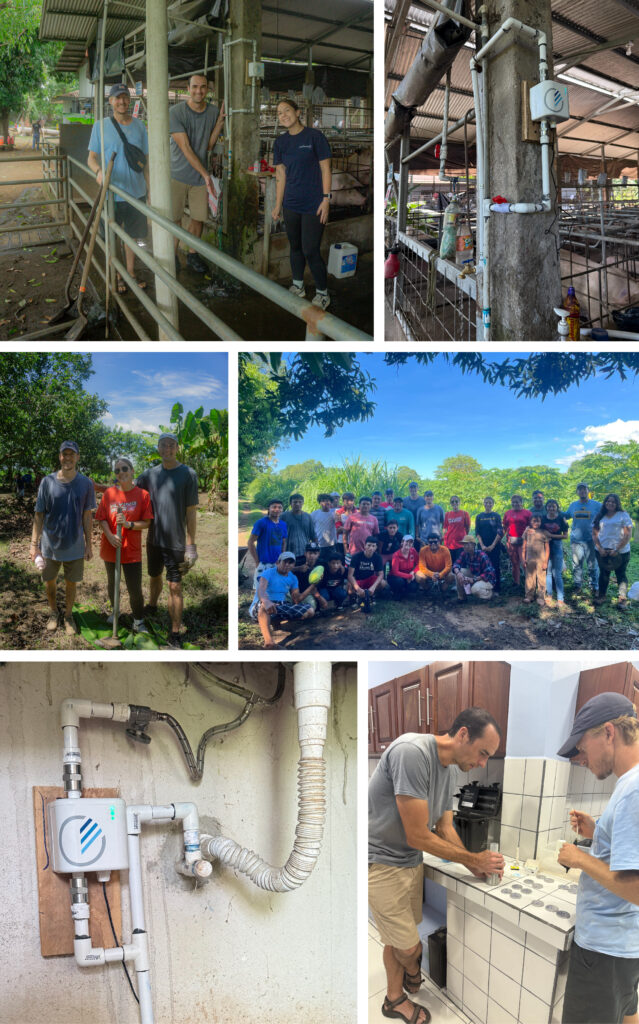
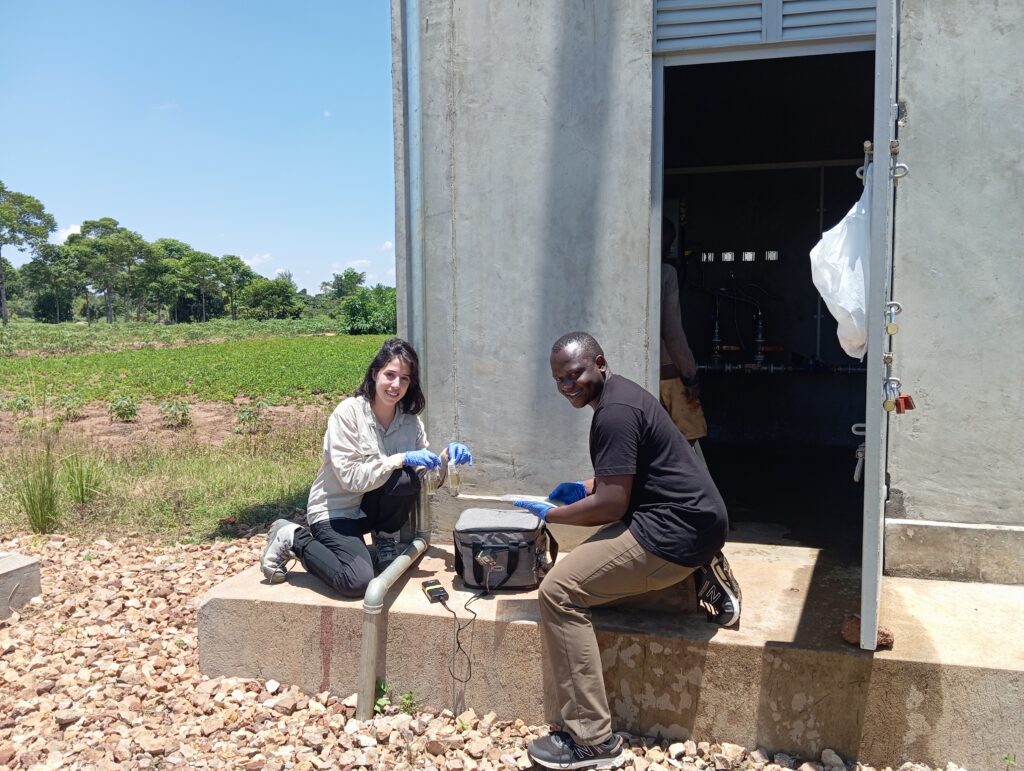
With support from an American Industrial Hygiene Association (AIHA) microgrant, AquiSense Application Engineer, Andrea Martinez, traveled to Nicaragua to demonstrate the impact of UV-C LED disinfection in rural settings. She conducted pre-and-post on-site microbial testing to document improvements in water safety and quality. The project highlights how advanced UV-C LED systems create meaningful improvements in the daily life of remote and underserved communities by providing cost effective, chemical free drinking water disinfection in remote areas.
Problem
Farms, workers, and surrounding communities near Chinandega, Nicaragua, have long depended on untreated well water for drinking and daily tasks. Many farms are located far from population centers, which makes chlorine treatment both costly and difficult to sustain. In remote areas, access, transportation, and storage barriers, as well as irregular dosing often creates inconsistent treatment, leaving workers and families exposed to waterborne pathogens. Additionally, since it is not the standard, locals are not accustomed to the taste of chlorinated water, making it difficult to adopt. Alternatively, communities can transport clean water from off-site. However, this requires routine trips to population centers to obtain stores of clean water, adding significant time and cost to daily
operations.
Innovation
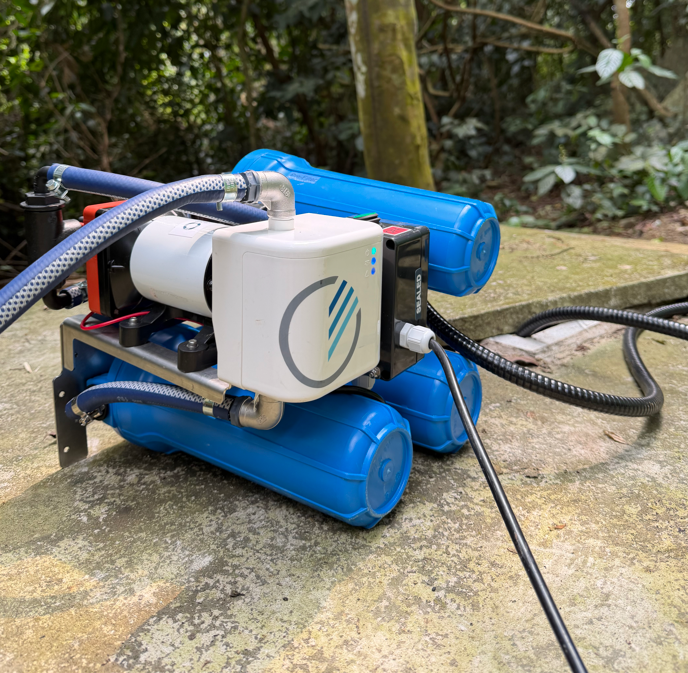
The PearlAqua Deca 30C requires no chemicals, no transport of consumables, and minimal maintenance, making it ideal for decentralized water treatment in remote settings. Its compact design allows for on-demand microbial inactivation without the operational challenges of chlorine treatments or the time and cost
of transporting water from population centers with treated water. Through an AIHA microgrant, Andrea worked with her former LSU professor, Samuel Snow, during on-site microbial testing before and after the PearlAqua Deca 30C units were installed.
Result
The PearlAqua Deca 30C units achieved immediate reductions in microbial contamination and delivered disinfected water directly to farm workers, animals, and nearby residents. Testing results provided clear evidence of significant improvement in water safety in the farm’s well water by demonstrating the removal of coliforms present in the well water prior to installation*. The PearlAqua Deca 30C provides a cost effective and reliable alternative to chlorine disinfection. The systems removed the recurring cost and logistical burden of both pre-treated water transport and on-site chlorine treatment, creating a more
sustainable and dependable solution for rural communities. The project reinforced the connection between everyday application engineering and real-world
human impact that manifests the powerful role of UV-C LED technology in expanding safe water access in underserved regions.
*Test results available upon request.