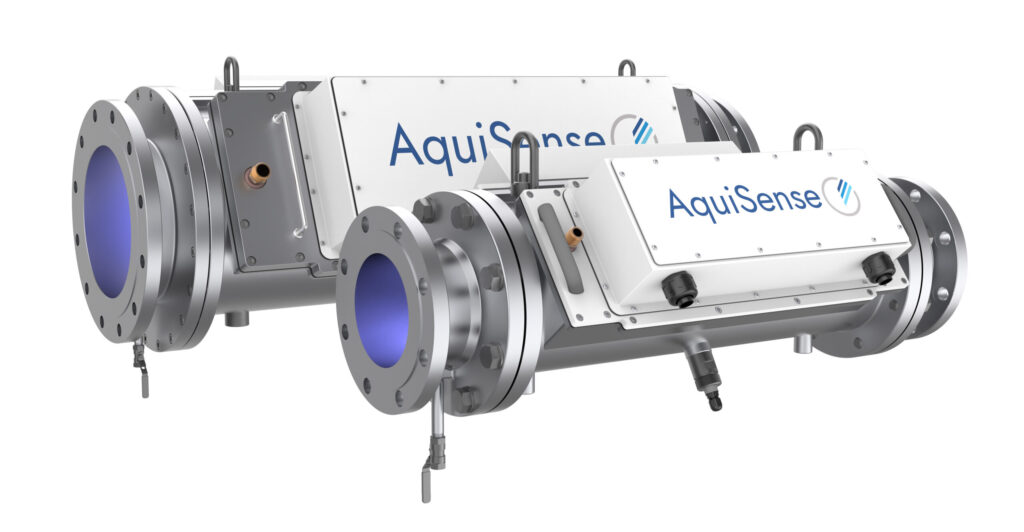
Municipal drinking water applications cover a large variety of systems, from small city treatment plants to large municipalities.
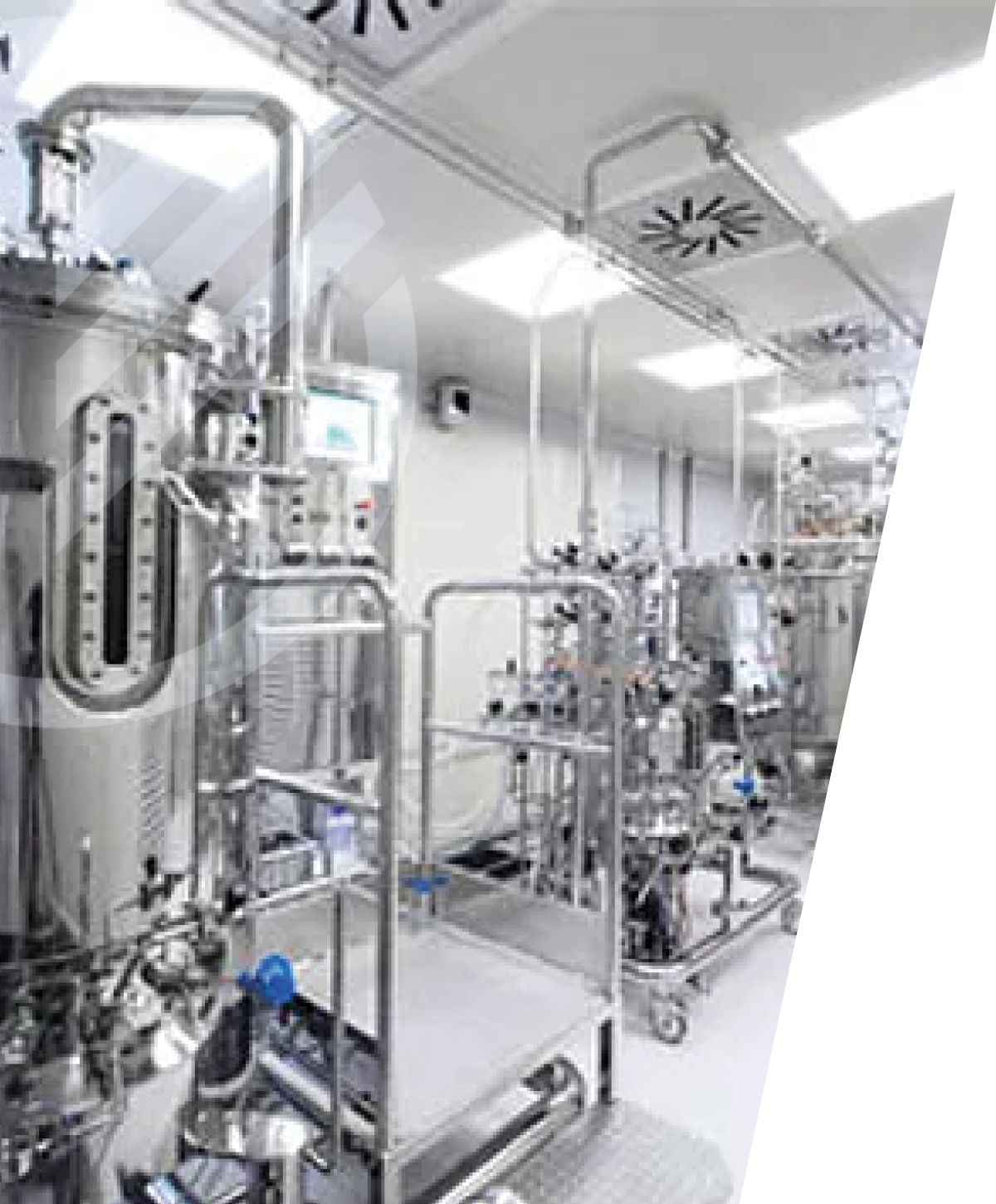
In the industrial sector, all water that enters the site must be treated before it can be used in any manufacturing process. This is to ensure that the water meets the regulated specification on quality and properties in order to meet the correct standards.
In addition, the industrial sector must comply with stringent discharge regulations and the increasing pressure to incorporate new wastewater reuse technology to reach environmental sustainability targets. The need for the sector to adopt its own wastewater stream has created a demand for such cutting-edge technology.
With these challenges in mind, AquiSense has developed a range of UV-C LED disinfection systems for water specifically designed to handle the challenges of disinfection on an industrial scale. Our devices can be easily installed and retrofitted to any industrial process to ensure maximum disinfection and bacterial growth reduction.
Our UV-C LEDs can have many applications for the industrial sector, being able to be easily fitted to all water pipes, dispensers, and outlets ensuring a high level of disinfection no matter the scale.
Whether you need to disinfect recirculated water to prevent the growth of harmful bacteria or ensure an ultra-high level of purity for the water being used in a laboratory, UV-C LEDs can disinfect all types of water in a safe and efficient process.
With none of the hazards that come from using mercury-based UV lamps, our UV-C LEDs can be tailored specifically for your industrial needs with the ability to quickly and easily adjust the wavelength to target specific pathogens that might be present in your water.
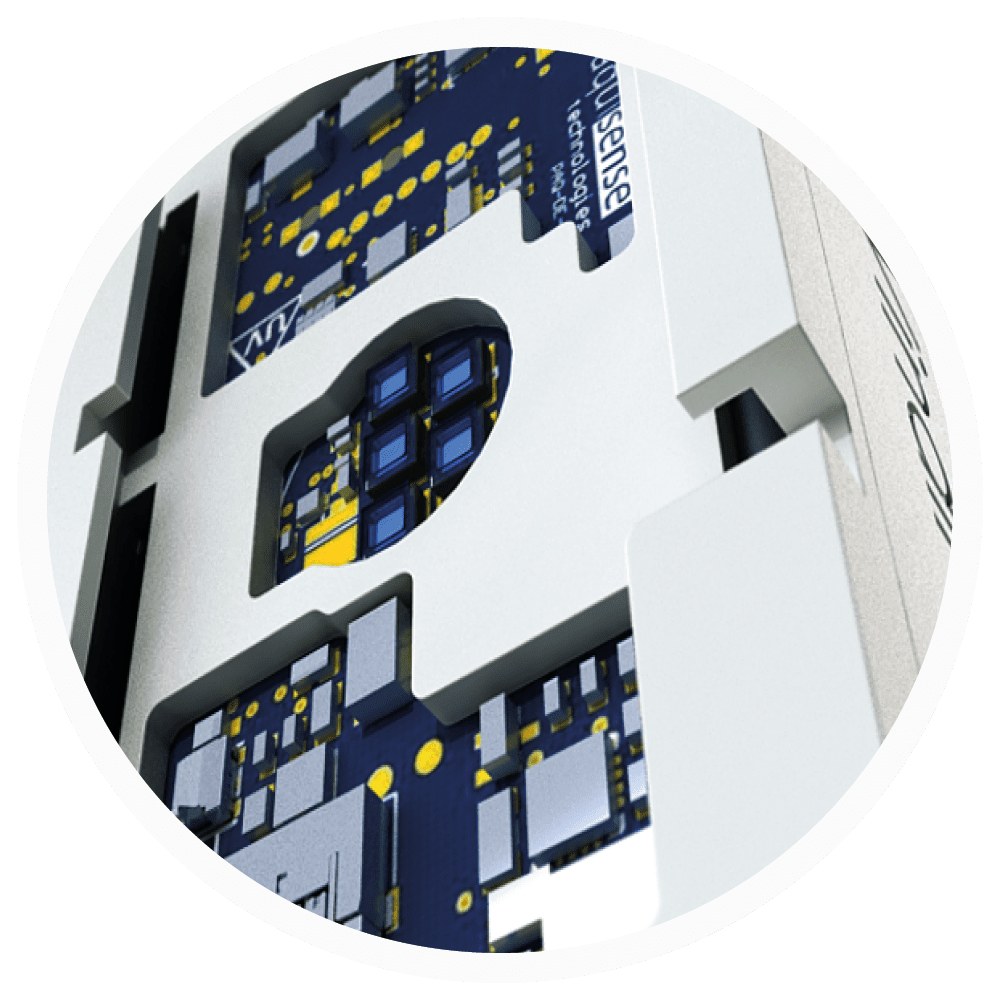
There are many applications for UV-C LEDs in the industrial sector no matter what you are producing. Our range of PearlAqua UV-C LEDs have been used to recirculate water to prevent the formation of a biofilm, been installed at the point-of-use as a final ‘policeman check’ in distribution, and even to disinfect wastewater discharge as an environmental protection precaution.
Other applications include:
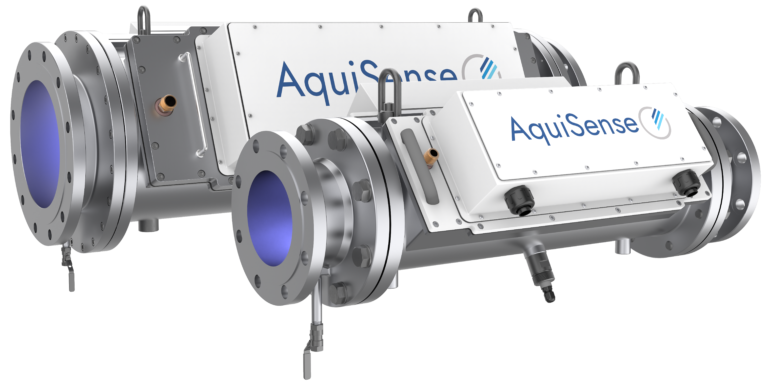

The PearlAqua UV-C LED range pushes the barrier for conventional UV treatment. PearlAqua is not simply a substitute for conventional UV systems rather a game-changer for industrial processes.
As the world’s first UV-C LED product designed for water disinfection. This flagship system integrates state-of-the-art LEDs into a unique and compact design without the use of chemicals or mercury-based UV lamps.
A self-contained, plug and play disinfection system with the most robust construction system, it features:
| Cookie | Duration | Description |
|---|---|---|
| cookielawinfo-checkbox-analytics | 11 months | This cookie is set by GDPR Cookie Consent plugin. The cookie is used to store the user consent for the cookies in the category "Analytics". |
| cookielawinfo-checkbox-functional | 11 months | The cookie is set by GDPR cookie consent to record the user consent for the cookies in the category "Functional". |
| cookielawinfo-checkbox-necessary | 11 months | This cookie is set by GDPR Cookie Consent plugin. The cookies is used to store the user consent for the cookies in the category "Necessary". |
| cookielawinfo-checkbox-others | 11 months | This cookie is set by GDPR Cookie Consent plugin. The cookie is used to store the user consent for the cookies in the category "Other. |
| cookielawinfo-checkbox-performance | 11 months | This cookie is set by GDPR Cookie Consent plugin. The cookie is used to store the user consent for the cookies in the category "Performance". |
| viewed_cookie_policy | 11 months | The cookie is set by the GDPR Cookie Consent plugin and is used to store whether or not user has consented to the use of cookies. It does not store any personal data. |